27 November 2026
Caribbean Food Denver: Bold Island Taste in Every Bite
Presented by @wayloncnwl530
Denver has never been a one-note food city. For years, its dining identity was tied to steakhouses, green chile, breweries, and the kind of mountain-town comfort food that fits a cold evening and a big appetite. That picture has changed. The city now eats with a much wider palate, and one of the most exciting parts of that shift is the growing appreciation for Caribbean cooking. Anyone searching for caribbean food denver is usually looking for more than a meal. They want depth of flavor, heat with purpose, slow-cooked meats, bright sauces, and the kind of food that carries memory in every bite.
Caribbean cuisine does that better than almost any regional cooking tradition. It is layered, practical, celebratory, and deeply rooted in migration, trade, survival, and creativity. You taste Africa, South Asia, Indigenous ingredients, Europe, and the wider Americas in a single plate. You taste sugar, smoke, citrus, spice, and time. In Denver, that complexity lands especially well because the city rewards food that feels honest and distinctive. Caribbean food is both.
What makes it stand out is not just the flavor intensity, although that matters. It is the contrast. A good plate might bring jerk seasoning that is hot, herbal, and smoky, next to sweet fried plantains, next to rice and peas rich with coconut and aromatics. A stew might look humble but eat like something that took all day to get right, because it usually did. Even side dishes carry real weight. Nothing feels like an afterthought.
Why Caribbean food hits so well in Denver
Altitude changes a lot in the kitchen. Water boils lower, braises can behave differently, and baking is its own separate negotiation. But when it comes to eating, Denver’s climate actually makes Caribbean food feel surprisingly natural. The city swings between crisp, dry days and long winters, and bold, seasoned food cuts through that dryness beautifully. Rich braises, grilled meats, pepper sauces, and starchy sides deliver the kind of satisfaction people here tend to crave.
There is also the social side of it. Caribbean food is often built around sharing and generosity. Large trays, combo plates, family-style portions, and dishes that improve as flavors settle all fit the way many Denver diners like to eat, especially in neighborhoods where casual spots become community anchors. A well-run Caribbean kitchen can draw office workers at lunch, families in the evening, and late-afternoon regulars who know exactly what they came for.
The best Caribbean meals in Denver also fill a gap that many cities struggle with. They offer real spice without turning heat into a stunt. There is a difference between food that burns and food that builds. Scotch bonnet peppers, allspice, thyme, ginger, garlic, curry blends, and citrus all create heat that tastes like something. That distinction matters. It is one reason people who think they are just ordering “something spicy” often come back talking about the marinade, the sauce, or the rice.
The flavors people recognize first, and the ones they remember later
Jerk is usually the gateway. It is famous for a reason. At its best, jerk chicken or pork is not merely spicy. It is fragrant, dark from char, slightly sweet, savory, and sharpened by pimento, thyme, scallions, and chile. The smell alone can stop people in their tracks. In many kitchens, the difference between decent jerk and memorable jerk comes down to patience. The marinade needs time to penetrate, and the grill or smoker needs enough heat to caramelize the exterior without drying out the meat.
Then there are curries, which often surprise diners who only know Indian or Thai versions. Caribbean curry, especially in Trinidadian, Jamaican, and Guyanese traditions, has its own profile. It can be earthier, more rounded, sometimes toastier, often carrying cumin, turmeric, fenugreek, coriander, and local variations in spice blends. Curry goat is a benchmark dish for a reason. When done well, it should be tender without collapsing into mush, deeply seasoned but not muddy, and rich enough to cling to rice or mop up with roti.
Rice and peas deserves more respect than it gets from people who see it as filler. It is not filler. Properly made, it is aromatic and integral to the plate. Coconut milk, thyme, scallion, garlic, and beans work together to create something gentle but distinctive, a balancing element that steadies hotter or richer mains. The same goes for plantains. Fried ripe plantains are sweet, yes, but they are also textural relief, a way to soften the edges of a fiery bite and reset your palate without cooling it completely.
And then there are the dishes that regulars tend to order once they get past the familiar names. Oxtail, for example, is one of the great slow-cooked dishes anywhere. Good oxtail should be glossy, beefy, and soft enough to yield easily, but still structured enough to feel substantial. Escovitch fish, with its vinegar-bright vegetables and fried fish base, brings acid and crunch in a way that wakes up the entire table. Patties, meanwhile, do not need much explanation once you have had a good one. Flaky crust, seasoned filling, enough spice to keep the bite interesting, and a shape built for eating on the go. That is practical food with personality.
Not all Caribbean menus are trying to say the same thing
One mistake diners make is talking about Caribbean cuisine as if it were a single style with minor variations. It is not. The region contains dozens of food traditions shaped by different histories and ingredient patterns. Even in a city where Caribbean restaurants may not be as numerous as taquerias or ramen spots, the distinctions still matter.
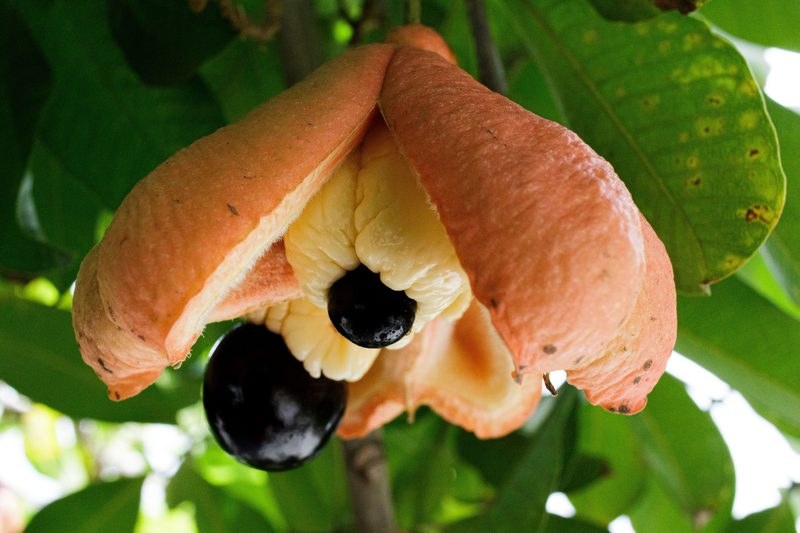
Jamaican food tends to dominate public awareness in the United States, so many Denver diners arrive expecting jerk chicken, curry goat, beef patties, coco bread, oxtail, and ackee if it is available. Those are valid expectations. But Caribbean food is wider than Jamaica. Trinidadian cooking brings doubles, roti, channa, tamarind, and a whole street-food sensibility that feels different from the heavier grill-and-stew profile many people associate with Jamaica. Cuban food moves in another direction, often emphasizing roast pork, black beans, rice, citrus, garlic, and pressed sandwiches. Puerto Rican cooking has its own signatures, including pernil, mofongo, sofrito-rich stews, and plantain-centered dishes with a very different texture and rhythm.
Denver diners do not need a lecture in food anthropology to enjoy these differences, but they do benefit from noticing them. It changes how you order. It also changes what you praise. Complimenting a Caribbean restaurant for “the jerk” makes sense if jerk is central to its identity. It makes less sense if the kitchen’s real strength is roti or braised pork or fish dishes with assertive sour notes.
What to order if it is your first time
If you are trying Caribbean food in Denver for the first time, the smartest move is to order one dish you already understand and one that pushes a little further. That gives you both an anchor and a discovery. A jerk chicken plate with rice and peas is a reliable place to start, but adding a patty, a side of plantains, or a curry makes the meal feel more complete and teaches your palate how these flavors work together.
A first visit often goes best with dishes like these:
- Jerk chicken with rice and peas, to understand the backbone of smoke, spice, and char
- Curry goat or curry chicken, especially if the kitchen is known for slow braises
- Beef or chicken patty, as an easy introduction to Caribbean pastry and seasoning
- Fried plantains, because they show how sweetness balances spice
- Oxtail, if you want the richest and most luxurious expression of the menu
That kind of order tells you a lot very quickly. You get grilled flavor, stewed depth, starch, sweetness, and pastry in one sitting. You also get a sense of whether the restaurant values balance or simply leans on heat and salt. Good Caribbean cooking should feel deliberate. Even a humble takeout plate ought to taste composed.
The details that separate good from excellent
Caribbean food is generous, but it is not sloppy when done right. There are details that tell caribbean food denver you whether a kitchen is operating at a high level.
The first is texture. Jerk chicken should not be leathery. Curry should not be watery. Rice should be separate and tender, not blown out and mushy. Plantains should have caramelized edges and a soft center, not just random sweetness. Even cabbage, a common side, should have some life left in it. It should taste seasoned, not steamed into submission.
The second is aromatic balance. Caribbean spice is not only about capsaicin. It is about thyme, allspice, garlic, onion, scallion, ginger, clove, curry blends, citrus, and smoke. If all you notice is heat, something is off. A proper jerk marinade announces itself before you even taste it. A good curry gives off warm spice and savory depth without smelling dusty or flat.
The third is patience. Many of the region’s most beloved dishes ask for marinating, simmering, braising, resting, or some combination of all four. You can taste when a kitchen has rushed the process. Meat will sit on the surface of the seasoning rather than tasting infused by it. Sauces will seem separate from the proteins they are supposed to coat. The plate may still be enjoyable, but it will not have that settled, unified feel that marks serious cooking.
The fourth is restraint with sweetness. Caribbean food can absolutely include sweet notes, from ripe plantains to glazes to coconut-rich sides, but sweetness should support, not dominate. When every element leans sweet, the meal becomes tiring halfway through. The best kitchens know when to bring in vinegar, chile, smoke, or herbs to keep the palate awake.
Takeout matters more here than people admit
Some cuisines suffer badly in transport. Caribbean food often holds up better than expected, which helps explain its strong takeout appeal in Denver. Rice dishes travel well. Braised meats often improve after a short rest. Patties are built for portability. Even jerk can stay compelling if packed correctly and not trapped in steam long enough to destroy the skin or bark.
That said, there are trade-offs. Fried items lose crispness. Escovitch fish can soften if sealed too tightly. Sauces can bleed into starches in a way some people love and others do not. If you are ordering delivery, it helps to think strategically. Ask for sauce on the side when possible, eat fried items first, and reheat braised dishes gently rather than blasting them in a microwave until the proteins toughen.
A few practical habits make takeout much better:
- Open containers soon after pickup or delivery so steam does not wreck texture
- Reheat rice with a splash of water and cover it briefly
- Warm braised meats low and slow, rather than aggressively
- Save patties for the oven or toaster oven if you want the crust back
- Add fresh lime or hot sauce at the table to revive flavors after travel
Those are small steps, but they matter. A lot of people decide whether they “like” a cuisine based on a tired delivery order. Caribbean food deserves better than that.
Spice, heat, and the question everyone asks
How spicy is it? That depends on the dish, the cook, and whether the restaurant is calibrating for a broad audience. In Denver, as in many American cities, some kitchens soften heat levels to keep first-time customers comfortable. That is understandable from a business standpoint, but it can also flatten the experience if too much of the original profile disappears.
The better approach is controlled flexibility. Let the core dish stay true to itself, then offer hotter sauces or pepper additions for those who want more intensity. This works especially well with jerk and curry. A well-seasoned base should already have character. Extra heat should sharpen it, not rescue it.
For diners, the smart move is to ask specific questions. Instead of saying, “Is it spicy?” ask whether the heat is built into the dish or added at the end, whether the sauce is significantly hotter than the entrée, and whether the kitchen can recommend a balanced first order. Most staff can answer that easily, and it is a better conversation than reducing the whole menu to a fear of peppers.
Caribbean food as comfort food, celebration food, and working food
One reason Caribbean cuisine travels so well across cities is that it can serve different roles without losing itself. It can be comfort food on a cold day, with oxtail, curry, or stewed chicken over rice. It can be party food, with trays of jerk wings, patties, fried plantains, and sauces passed around a table. It can also be working food, the kind of lunch that is filling, affordable, and strong enough to carry someone through the rest of the day.
That range matters in Denver. The city has diners who want destination meals, but it also has plenty of people who simply want a dependable neighborhood spot. Caribbean restaurants often thrive in that second category because the food does not need a lot of explanation once people taste it. Repeat business usually comes from consistency. If the jerk is smoky every time, the curry has body every time, and the sides are seasoned every time, customers build routines around those plates.
There is also emotional logic to the cuisine. Food that braises, marinates, grills, and stews tends to create attachment. You feel the labor behind it. Even if you did not grow up with these dishes, you can sense they come from households and communities where recipes were tested by repetition rather than trend. Denver responds well to that kind of authenticity, not as a marketing slogan, but as a practical quality you can taste.
What Denver diners should pay attention to now
The conversation around caribbean food denver is still developing, which is good news. It means diners have room to be curious rather than fixed in narrow expectations. It also means restaurants have space to show range. If more people start looking beyond jerk alone, menus can widen. You may see more regional specialties, more house-made sauces, more seafood preparations, more breakfast items, and stronger pastry programs. That kind of growth usually begins with customers willing to order something unfamiliar and come back for it.
There is a broader lesson here too. Cities build their food cultures through repetition, not declarations. A cuisine becomes established when people stop treating it like a one-time adventure and start folding it into ordinary life. Caribbean food has every quality needed to make that leap in Denver. It is flavorful, shareable, portable, satisfying, and distinctive without being inaccessible.
The next time you are deciding where to eat, think about what you actually want from the meal. If the answer is warmth, depth, spice, texture, and food that feels alive with history, Caribbean cooking is an easy choice. Not because it is trendy, and not because it checks some culinary exploration box, but because it delivers. Plate after plate, it delivers the kind of bold island taste that lingers long after the table is cleared.
Reggae Pot Jamaican Grill
2243 S Monaco St Pkwy, Suite 104
Denver, CO 80222
(720) 410-2956
FAQ About caribbean food denver
What is a typical Caribbean meal?
Caribbean cuisines vary by island. A Jamaican meal might pair jerk chicken or oxtail with sides such as rice and peas, cabbage, or fried plantains.
What is Jamaica’s national dish?
Ackee and saltfish is widely recognized as Jamaica’s national dish. Check the current menu for availability.
Is Caribbean jerk the same as Jamaican jerk?
Jerk is a Jamaican cooking tradition associated with seasoning and slow cooking or grilling. The exact heat level and preparation vary by cook.