27 November 2026
Caribbean Food in Denver: Best Island-Inspired Restaurants
Presented by @wayloncnwl530
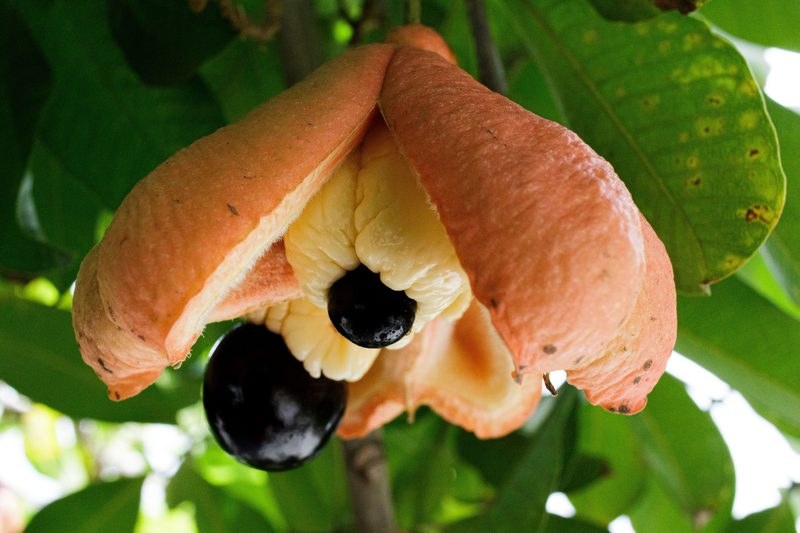
Denver is not the first American city people name when they talk about Caribbean cooking. Miami, New York, and parts of South Florida usually get there first, and for good reason. The depth of those communities shows up on the plate. Denver’s version is smaller, more scattered, and often more hybrid. That does not make it less interesting. It just means you need to know what you are looking for.
The strongest Caribbean food in Denver tends to come from restaurants that understand balance. Heat matters, but so do sweetness, acidity, smoke, and texture. A good jerk plate should smell like allspice and char before you even sit down. A respectable Cuban sandwich should have crisp bread, not a limp roll that collapses under pressed pork. A proper rice and peas should not feel like an afterthought parked beside the entrée. In a city where many menus borrow the language of the islands without fully committing to the technique, those details are what separate a memorable meal from a themed dinner.
If you are searching for caribbean food denver diners genuinely return to, a useful approach is to skip the broadest marketing claims and pay attention to cooking style, consistency, and the confidence of the menu. The best island-inspired restaurants in and around Denver usually do one of two things well. They either stay focused on a specific tradition, like Jamaican or Cuban cooking, or they build a more eclectic menu while still respecting the flavors that define Caribbean food in the first place.
What “Caribbean” means in Denver
One reason people get confused by the local scene is that “Caribbean” covers a lot of culinary ground. Jamaican food, Cuban food, Puerto Rican food, Dominican food, Trinidadian food, Haitian food, and smaller island traditions all share certain ingredients and trade histories, but they do not taste the same. Coconut, plantain, citrus, peppers, beans, rice, and slow-cooked meats travel throughout the region, yet each island applies them differently.
In Denver, the available restaurant mix leans more heavily toward Jamaican and Cuban influences than toward the full range of Caribbean cuisines. You are more likely to find jerk chicken, curry goat, pressed sandwiches, black beans, maduros, and mojito-adjacent flavors than a wide range of doubles, griot, or mofongo. That is not a criticism. It is simply the reality of a growing but still relatively narrow market.
The upside is that when a restaurant here does one of those styles well, it stands out quickly. There is less noise. You can taste the kitchen’s choices more clearly, especially in dishes that do not forgive shortcuts. Oxtail exposes a kitchen’s patience. Ropa vieja reveals whether they understand braising and restraint. Fried plantains tell you if someone knows how to hit sweetness without grease.
The restaurants that tend to define the conversation
Cuba Cuba Cafe & Bar
For many Denver diners, Cuba Cuba is the first serious answer that comes up in any conversation about island-inspired food. It has had a long enough presence in the city to shape expectations, and that matters. Restaurants do not stay relevant for years on atmosphere alone. At some point the kitchen has to keep sending out food people actually crave.
The appeal here is not mystery. It is accessibility paired with enough personality to avoid feeling generic. Cuban sandwiches, black beans, roast pork, tropical sauces, and rum-forward drinks all fit the setting, and the menu is broad enough for both first-timers and regulars. If you go expecting a perfect stand-in for Miami’s most old-school Cuban institutions, you may miss the point. Denver is not Miami, and the restaurant is serving a local audience while keeping a recognizable Caribbean identity. That balance is harder than it sounds.
What stands out at restaurants like this is rhythm. You want the pork to be well seasoned without turning salty. You want rice and beans that taste cooked, not assembled. You want plantains that arrive soft in the middle with caramelized edges. When those details land, the meal feels complete rather than merely decorative.
Cuba Cuba Sandwicheria
A more casual counterpoint to the full café experience, Cuba Cuba Sandwicheria is often the better pick when the craving is specific and immediate. This is the kind of place that works best when you want a pressed sandwich, a quick plate, or a lunch that still feels like somebody cared about the seasoning.
Sandwich-focused spots get underestimated in conversations about Caribbean food because they seem too simple. That is a mistake. Bread, fat, acid, and texture are unforgiving categories. A pressed sandwich that arrives soggy or flat tells you everything you need to know about the kitchen’s discipline. When the bread cracks properly, the pork stays moist, the mustard cuts through the richness, and the pickles stay bright, it is one of the most satisfying lunches in the city.
This matters for anyone exploring caribbean food denver options for the first time. Not every great meal needs to be a feast. Sometimes the best entry point is a tightly executed, casual order that gives you the flavor profile without ceremony.
Reggae Pot Jamaican Grill
Jamaican cooking tends to expose weak kitchens faster than people realize. A lot of places can make food spicy. Far fewer can build the kind of deep seasoning Jamaican dishes need. Jerk is not just heat. It is pimento, thyme, scallion, garlic, chile, and smoke, layered in a way that should taste vivid rather than blunt. Curry dishes should feel warm and developed, not dusty. Oxtail should be rich but still clean on the finish.
That is why places like Reggae Pot Jamaican Grill matter in the Denver area. Diners looking for a real Jamaican profile usually care about the fundamentals first. They want chicken with char on the exterior and juiciness underneath. They want rice and peas that actually contribute flavor. They want cabbage or other sides that feel integrated into the plate. A strong Jamaican restaurant earns loyalty because the food carries memory. You smell the spice blend before the container opens.
One of the more telling signs at a place like this is who orders what. When regulars are not just playing it safe with jerk chicken, but are also ordering curry goat, patties, or oxtail when available, that usually means the kitchen has range. In smaller scenes, range is often the difference between a one-time stop and a restaurant that becomes part of someone’s monthly rotation.
What to order if you want the kitchen’s best work
Island-inspired menus can be broad, and broad menus sometimes hide the dishes a restaurant truly cooks best. If you only get one visit, order with intention. In my experience, these categories reveal the most:
- Jerk chicken, because it shows whether the spice blend and grill work are serious.
- Oxtail or braised beef dishes, because long cooking exposes both patience and seasoning.
- Cuban sandwiches, because bread, pressing, and balance leave no room for sloppiness.
- Rice-and-bean combinations, because great sides usually signal a thoughtful kitchen.
- Plantains, because proper caramelization is a small detail that says a lot.
That is a short list, but it covers most of the skills that matter. A restaurant can recover from a slightly sweet cocktail or an uneven appetizer. It cannot fake its way through these basics.
The challenge of judging Caribbean food at altitude
Denver adds one variable that out-of-town diners often overlook: cooking at altitude changes things. It changes braising times, bean texture, moisture retention, and, in subtle ways, the final feel of a dish. That does not excuse dry chicken or underdeveloped stews, but it does explain why consistency can be harder here than in sea-level cities with larger Caribbean populations and more established supply chains.
The best kitchens adapt instead of compromising. They manage moisture aggressively. They pay attention to holding times. They do not overcook rice trying to compensate for fear of undercooking it. They season in layers rather than dumping salt in at the end. Those are professional decisions, and you can taste them.
Altitude also affects the diner’s perception. Spicy food can feel sharper in dry mountain air, especially if you are not acclimated. That is not a reason to avoid jerk or hot sauce, only a reminder to pace yourself if you are visiting Denver and diving into a full spread with patties, stewed meats, and rum cocktails.
Beyond the headline dishes
Most people new to Caribbean cooking start with the most visible items, usually jerk chicken or a Cuban sandwich. Fair enough. They are accessible, and a good version of either dish is deeply satisfying. But some of the real pleasure in Denver’s island-inspired restaurants comes from the supporting cast.
Rice and peas should taste of more than starch. Depending on the kitchen, you may pick up coconut milk, thyme, scallion, or a gentle savoriness from the cooking liquid. Black beans should have body and depth, not just color. Plantains should never feel like decorative sweetness pasted onto the side of the plate. They should create contrast, either by softening a spicy dish or by adding caramel notes to savory food.
Then there are sauces. Good Caribbean-influenced kitchens understand sauce as architecture, not garnish. A sharp mojo can wake up roast pork. A pepper sauce can cut through richness in a way dry spice never will. Gravy from braised oxtail should cling rather than flood. These are the caribbean food denver details that make island-inspired food in Denver worth seeking out instead of treating it like a novelty meal.
What Denver does well, and where the scene still has room to grow
Denver’s strength is that it rewards restaurants willing to carve out a clear identity. The city responds well to food with personality, especially when that personality is not filtered into blandness. There is an audience here for serious seasoning, charcoal, slow braises, and full-flavored starches. That audience has grown noticeably over the years, helped by diners who travel more and ask sharper questions about regional food.
At the same time, the scene still has room to deepen. You do not yet see the same density of Caribbean bakeries, casual lunch counters, neighborhood roti shops, or single-dish specialists that define stronger East Coast or South Florida markets. There are fewer places where one item, a patty, a stew, a pressed sandwich, a plate of roast pork, becomes a local institution on the strength of repetition and daily volume alone.
That gap matters because volume often improves food. A kitchen making the same braise or the same pressed sandwich all day tends to get better at it. Timing becomes instinctive. Portions tighten. The bread gets treated correctly. The staff learns what regulars care about most. Denver has some of that, but not yet at the scale of cities with more established Caribbean communities.
How to separate “island-themed” from truly island-inspired
This is where diners need some judgment. Tropical décor, rum drinks, and menu language can create the feeling of authenticity without delivering the substance. There is nothing inherently wrong with a restaurant that uses Caribbean references loosely, especially if the food tastes good. But if you are specifically looking for the best Caribbean food in Denver, you need to look past branding.
A serious kitchen usually reveals itself in the less glamorous dishes. The beans are seasoned. The cabbage is not limp. The spice level has shape instead of brute force. The menu is not trying to represent every island at once with no clear point of view. Even when a restaurant borrows from several traditions, there should still be a throughline. Maybe it is grilling. Maybe it is braising. Maybe it is citrus, chile, and smoke. Whatever the signature is, you should be able to taste intent.
One small test I use is how the sides behave over the course of the meal. If the rice, plantains, and vegetables still taste good on their own after the main protein is gone, the kitchen probably understands the cuisine beyond its most marketable centerpiece.
Practical advice for ordering in Denver
If you are driving across town for Caribbean food, timing matters. Jerk and braised dishes often show best during peak meal windows, when turnover is high and proteins have not been sitting too long. The same goes for pressed sandwiches, which are always better eaten immediately. Delivery can work for stews and rice plates, but it is usually less kind to anything crisp, grilled, or pressed.
Portion style varies more than people expect. Some spots serve plates large enough for leftovers, while others portion more like lunch cafés. That is another reason it helps to order strategically. A first visit is often best spent on one signature entrée, one starch-focused side, and something fried or sweet for contrast. That gives you a full read on the kitchen without overordering.
If you are dining with a group, Caribbean restaurants are among the easiest places to share effectively. One person orders jerk, another gets a braise, somebody adds plantains and beans, and suddenly the table has a much fuller picture of the menu. It is a practical move, especially in a city where you may not have dozens of similar restaurants to compare side by side.
The role of drinks and dessert
Beverage programs can either sharpen or flatten a Caribbean meal. The best pairings usually keep some tension in the glass. Citrus, mint, bitterness, and restrained sweetness all help food show its best side. Overly sugary drinks can bury the more delicate flavors in beans, pork, or grilled chicken. Rum belongs in this conversation, of course, but so do fresher, lighter options that do not overwhelm the plate.
Dessert, when done well, should feel like part of the same culinary language. Coconut, guava, flan, caramel, and tropical fruit all make sense, but the strongest desserts usually show restraint. After a meal of jerk seasoning, braised meat, and sweet plantains, a heavy finish can feel punishing. A clean flan, a pastry with real fruit caribbean food denver brightness, or something with coconut that does not veer into excess tends to land better.
Why these restaurants matter to Denver’s dining identity
It is easy to treat Caribbean food in Denver as a niche, but that undersells its value. These restaurants expand the city’s flavor vocabulary. They teach diners to expect more from grilled chicken than generic spice rubs. They show how rice and beans can be central rather than filler. They remind people that sweetness belongs in savory food when it is handled with confidence. They also give the dining scene a kind of warmth that Denver sometimes lacks, both literally and stylistically.
There is a deeper point here too. Cuisines become part of a city’s identity when diners support them consistently, not just when they seem trendy or convenient. A smaller Caribbean scene needs repeat business to grow. That growth can lead to more specialization, more bakery items, more regional distinction, and eventually more places that locals mention with the same certainty they reserve for tacos, ramen, or barbecue.
For now, the best strategy is to seek out the restaurants that already cook with conviction. Go for the jerk that smells like smoke and spice rather than bottled sauce. Go for the Cuban spot that understands press, crunch, and acidity. Go for the braises that took time. Denver may not offer the sheer volume of options you would find in larger Caribbean hubs, but it does offer enough quality to reward curiosity.
And that is really the promise of caribbean food denver diners can appreciate right now. It is not about imitating another city. It is about finding the restaurants here that respect island traditions, adapt them skillfully to the local market, and serve food with enough character that you remember it days later. When that happens, the label matters less. What stays with you is the scent of allspice, the sharpness of mustard against roast pork, the softness of plantains beside something spicy, and the unmistakable feeling that the kitchen knew exactly what it was doing.
Reggae Pot Jamaican Grill
2243 S Monaco St Pkwy, Suite 104
Denver, CO 80222
(720) 410-2956
FAQ About caribbean food denver
What is a typical Caribbean meal?
Caribbean cuisines vary by island. A Jamaican meal might pair jerk chicken or oxtail with sides such as rice and peas, cabbage, or fried plantains.
What is Jamaica’s national dish?
Ackee and saltfish is widely recognized as Jamaica’s national dish. Check the current menu for availability.
Is Caribbean jerk the same as Jamaican jerk?
Jerk is a Jamaican cooking tradition associated with seasoning and slow cooking or grilling. The exact heat level and preparation vary by cook.